How to Choose a Solar Mounting Structure for Utility-Scale PV Projects
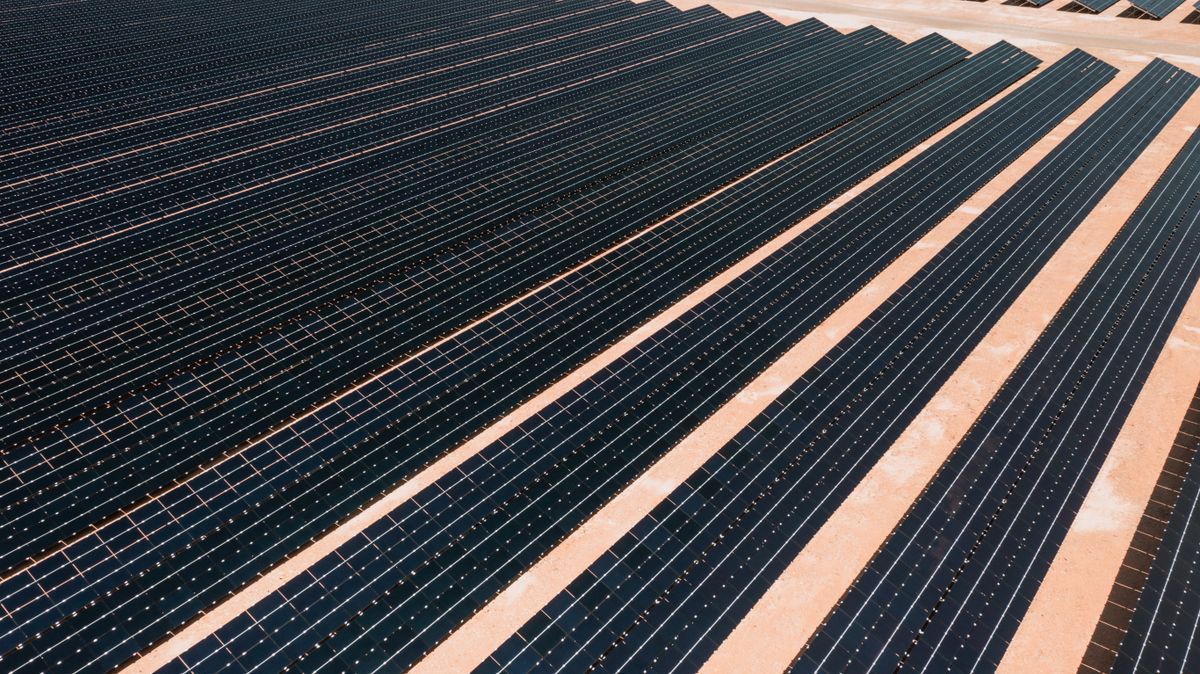
The mounting structure is a small share of a solar plant's capital cost, but a wrong specification shows up for 25 years: foundation failures, accelerated corrosion, or installation crews losing hours on poorly matching parts. This guide walks through the main specification decisions for ground-mounted, utility-scale PV structures from a buyer's perspective.
1. Fixed-Tilt vs Seasonally Adjustable
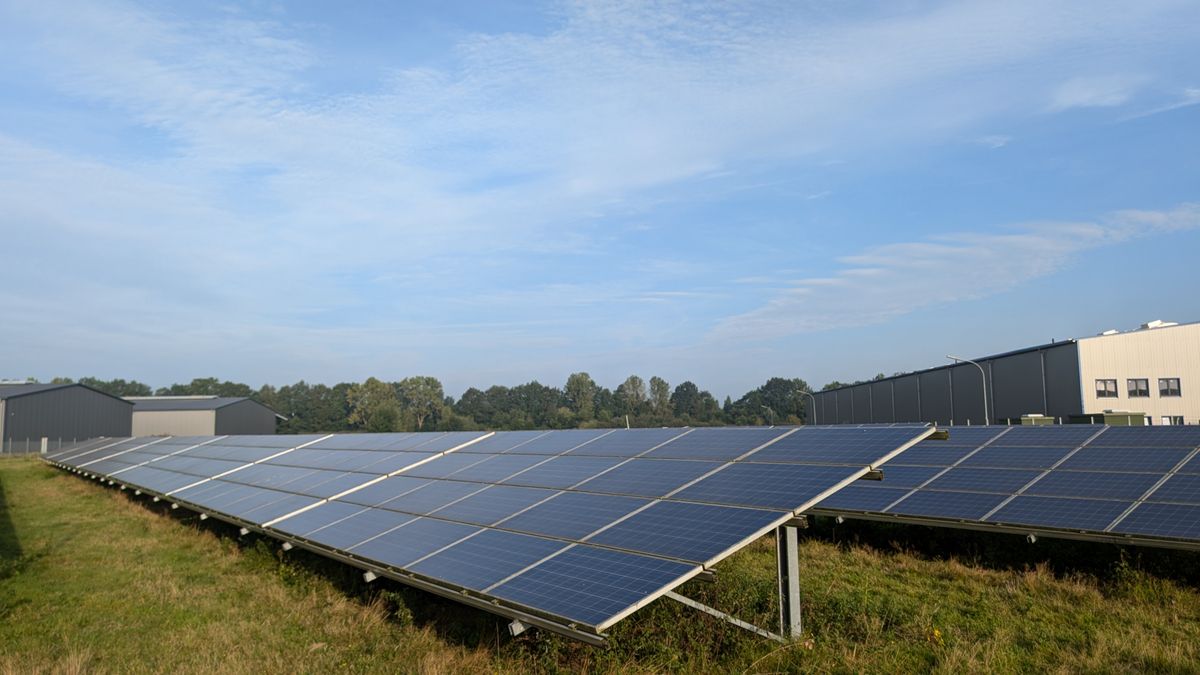
Fixed-tilt structures are the default choice for most utility-scale projects: fewer moving parts, faster installation, lowest cost per watt. Seasonally adjustable tilt systems gain a few percent of annual yield by allowing manual tilt changes two to four times a year — worthwhile on some sites, but they add hardware complexity and require an O&M routine. Single-axis trackers increase yield further but are a different product category with their own O&M profile.
2. Steel vs Aluminum
| Criterion | Hot-Dip Galvanized Steel | Aluminum Alloy |
|---|---|---|
| Structural strength | Higher — longer spans, fewer posts | Lower — shorter spans |
| Cost at scale | Generally lower for utility scale | Higher per tonne |
| Corrosion protection | Galvanized coating (thickness selectable) | Natural oxide, good near coast |
| Weight | Heavier | Light, easier handling |
For large ground-mount projects in most soil and climate conditions, hot-dip galvanized steel delivers the lowest total cost. Aluminum remains attractive for lightweight rooftop applications and highly corrosive coastal micro-climates.
3. Foundation Options
- Driven piles — fast and economical where soil allows; the most common choice for utility-scale plants.
- Ground screws — good in rocky or constrained soils, removable at end of life.
- Concrete piers / ballast — for soils that cannot be pile-driven, or land where penetration is restricted.
The structure supplier should receive a geotechnical report summary so post embedment and pull-out requirements can be matched to actual soil conditions.
4. Galvanizing and Environmental Durability
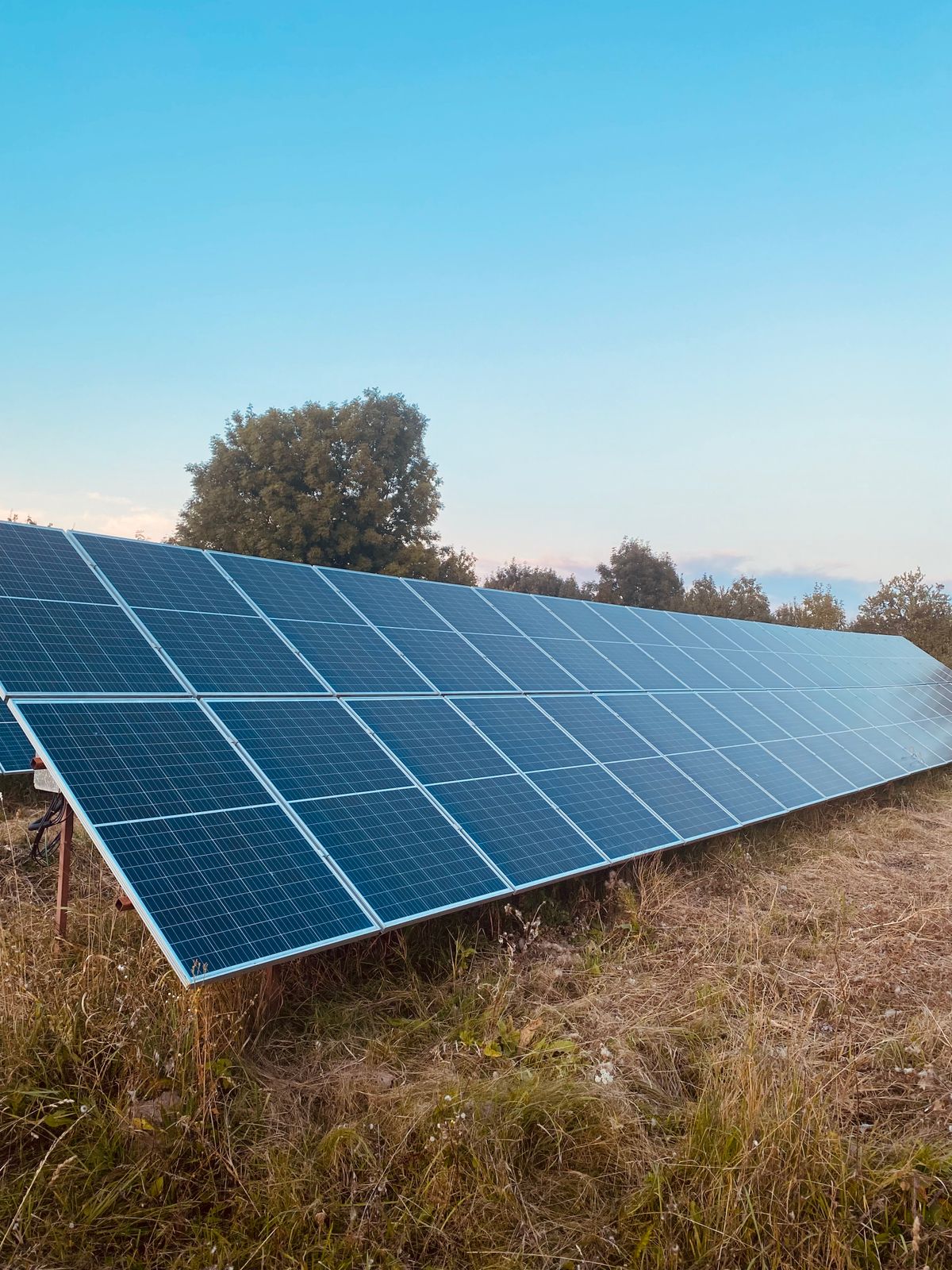
Coating thickness should match the site's corrosivity category. Inland projects typically order standard hot-dip galvanizing; coastal, industrial or high-humidity sites justify heavier coatings or duplex systems (galvanizing plus paint). Confirm which standard the coating is tested against — for example ASTM A123 or ISO 1461 — and request coating thickness reports with production batches.
5. Installation-Friendly Details That Save Real Money
- Pre-assembled modules — fewer loose parts means faster field install.
- Tool-light clamps — module clamping that needs only standard tools.
- Tolerance design — slots and adjustment ranges that absorb minor pile-driving deviations instead of requiring rework.
- Container-optimized packing — bundling sized to container dimensions reduces freight cost and site sorting time.
Planning a Utility-Scale Solar Project?
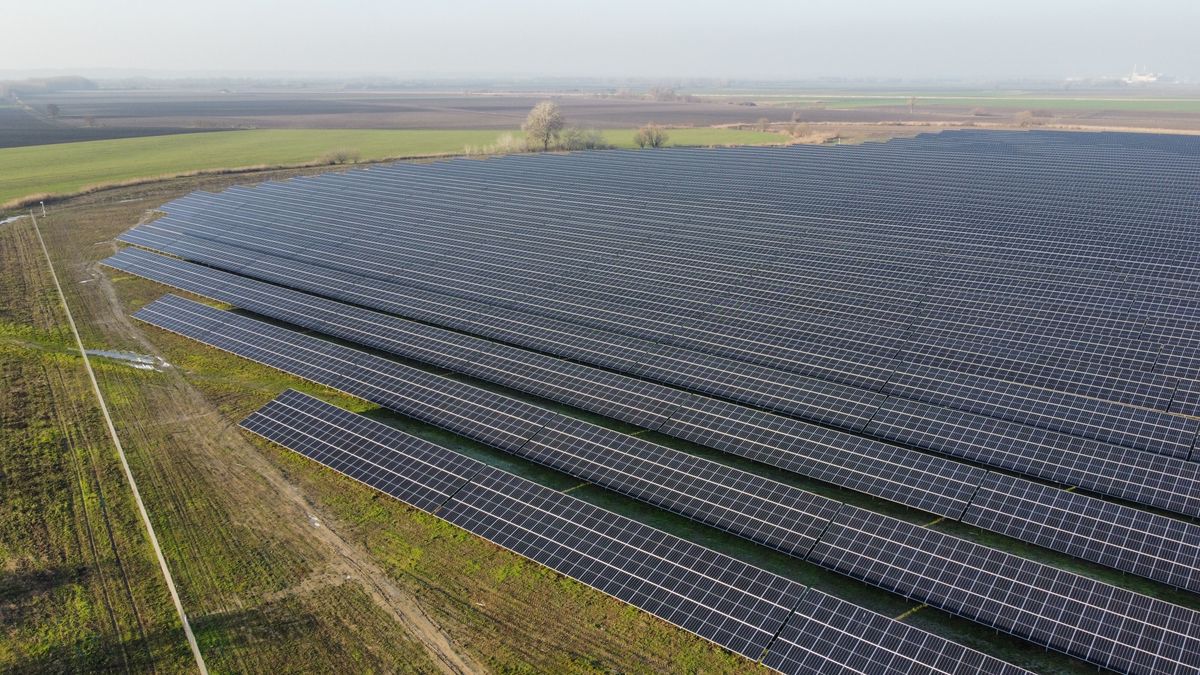
Send your module type, layout and site conditions — we will propose a mounting structure design and quotation.
Request a Quote