Telecom Tower Types: Self-Support, Guyed and Monopole
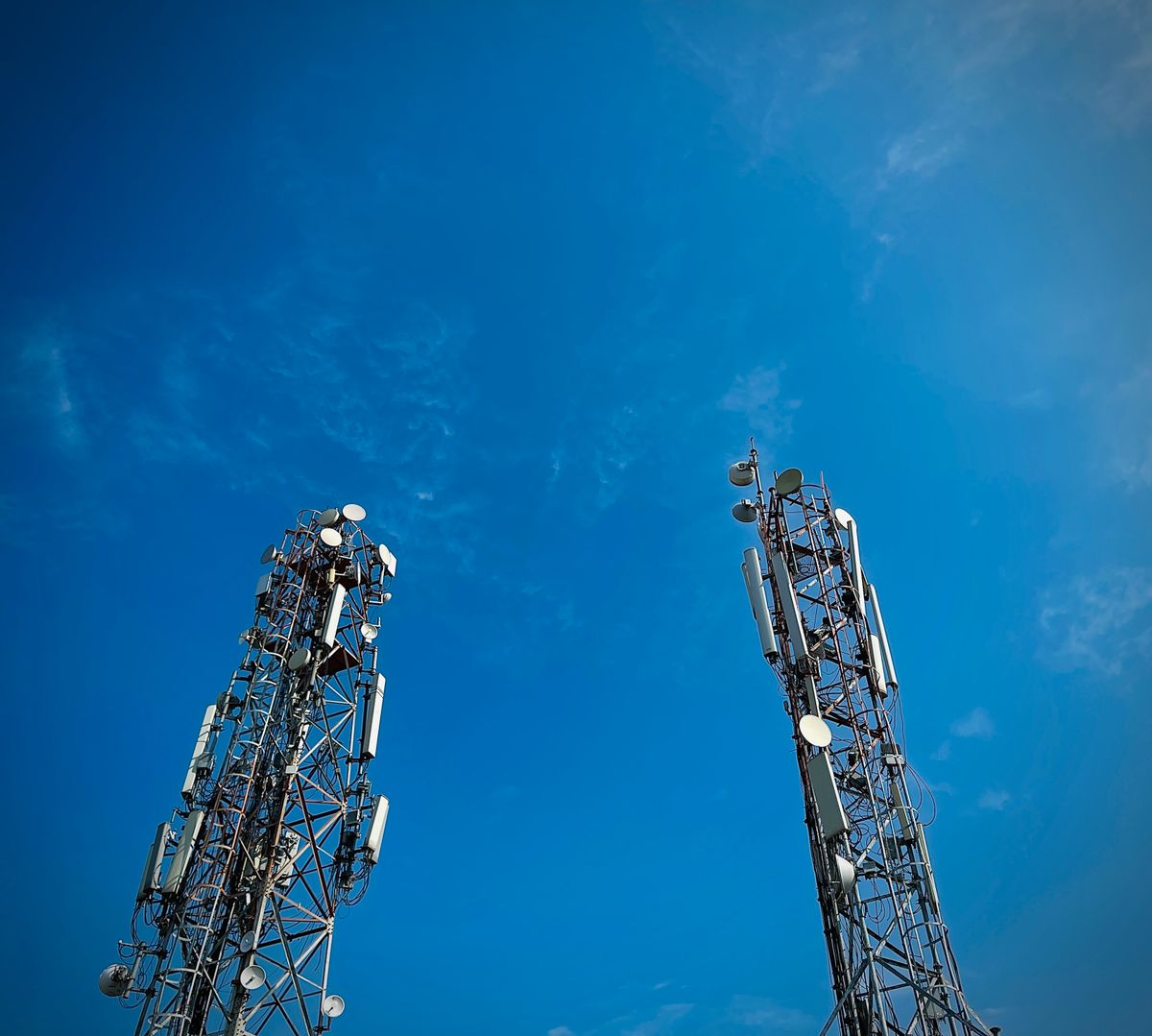
Choosing the right tower type is one of the earliest — and most cost-sensitive — decisions in a mobile network rollout. Land cost, wind conditions, antenna loading and aesthetics all point toward different structures. Here is how the three main telecom tower families compare in practice.
1. Self-Supporting Lattice Towers
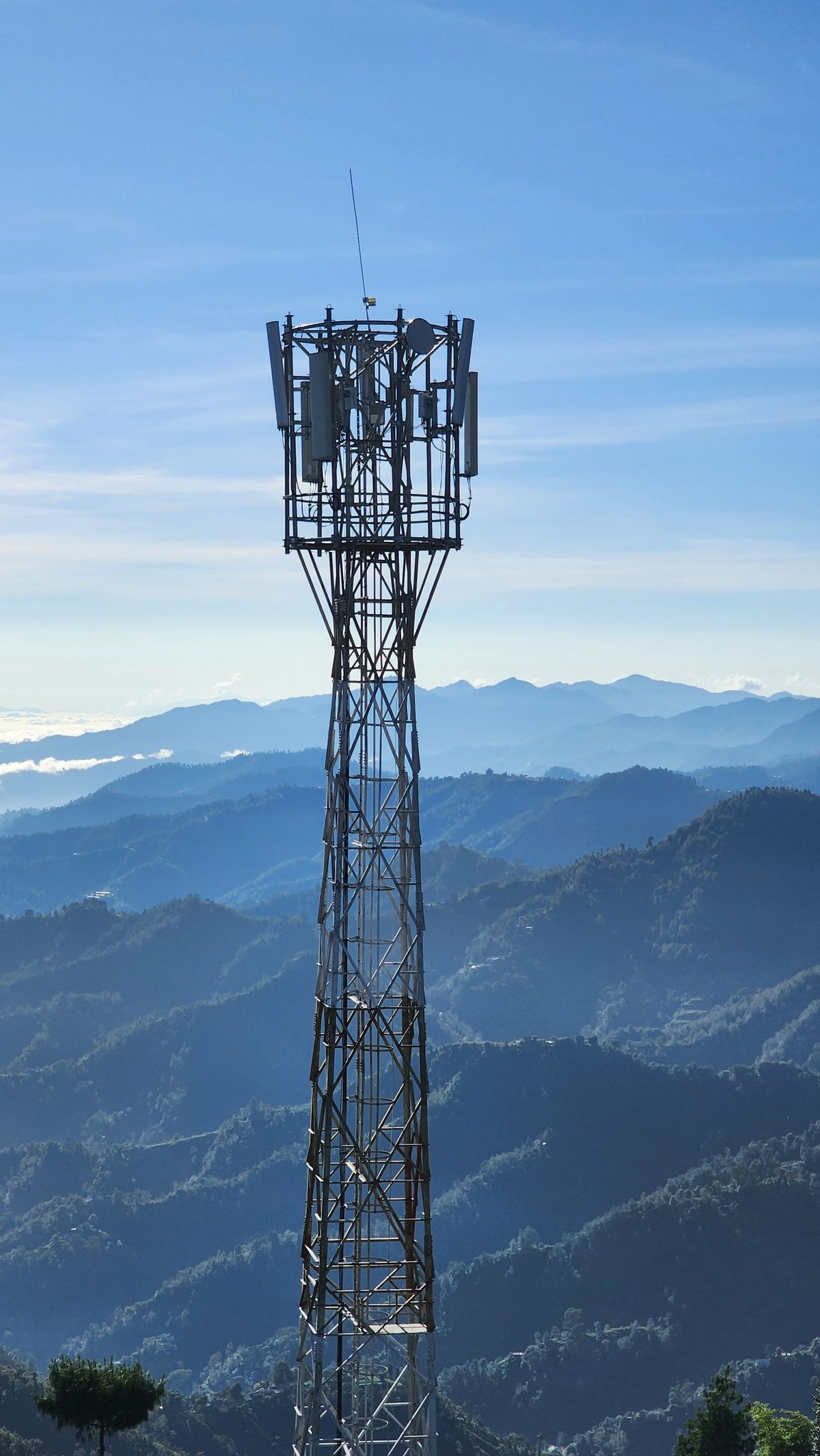
Three- or four-legged lattice towers are the workhorse of telecom networks. They carry heavy antenna loads (multi-operator sharing, microwave dishes), need no guy wires, and occupy a compact square or triangular footprint. Steel is fabricated in bolted sections, which keeps transport and site assembly straightforward — an important factor for rural and cross-border logistics.
- Best for: shared towers, heavy future loading, most greenfield sites
- Typical heights: 20 m – 70 m and beyond
- Trade-off: larger base footprint than a monopole
2. Guyed Masts
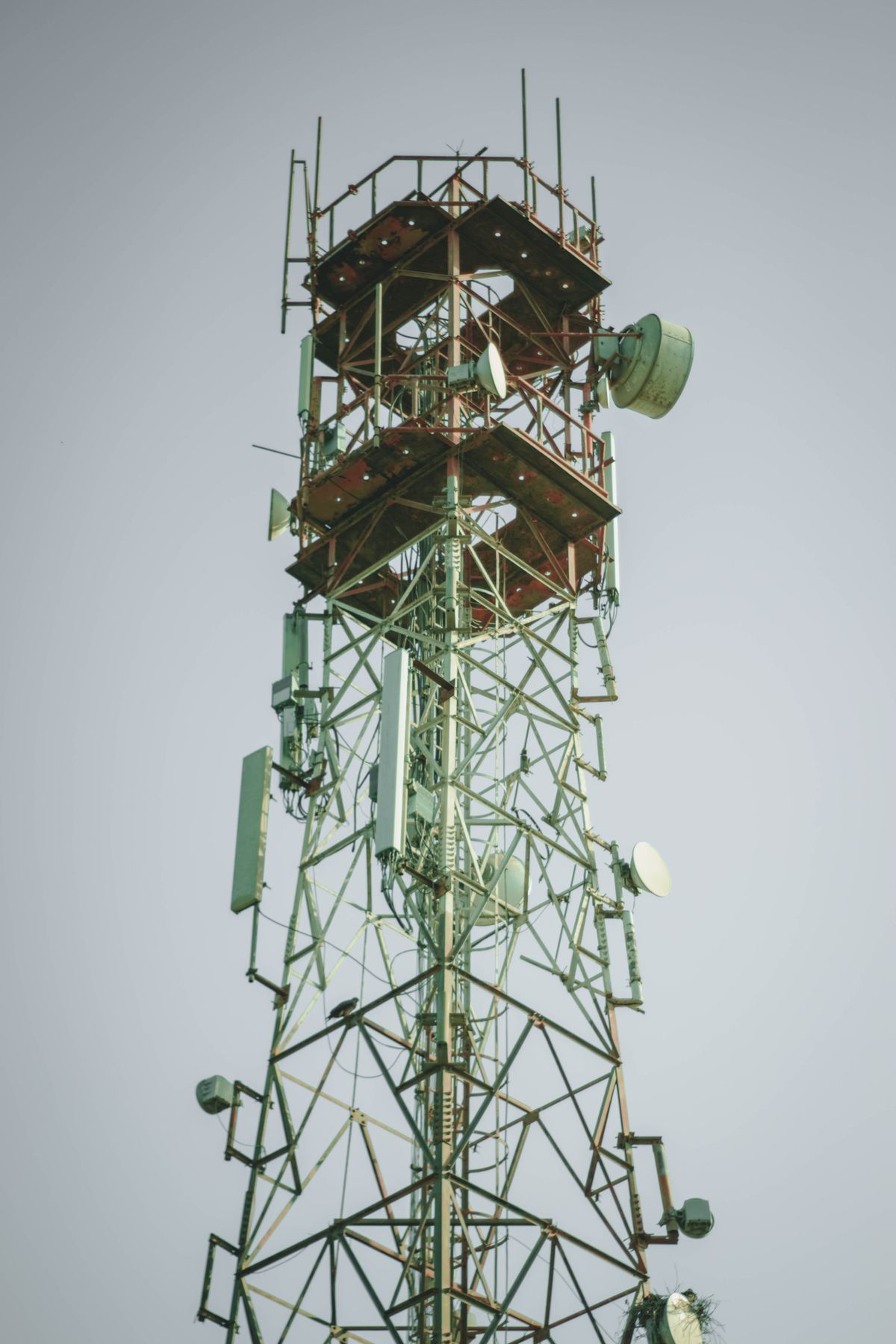
Guyed masts are the lightest steel solution per meter of height: a slender lattice mast stabilized by guy wires anchored around the site. They shine where land is cheap and clear — broadcast, rural coverage and similar scenarios — and can reach heights that would be uneconomical for self-supporting towers.
- Best for: low-cost rural deployments, broadcast, tall structures
- Trade-off: requires significant anchor radius (typically ~80% of mast height), and guy anchors must be maintained
3. Monopoles
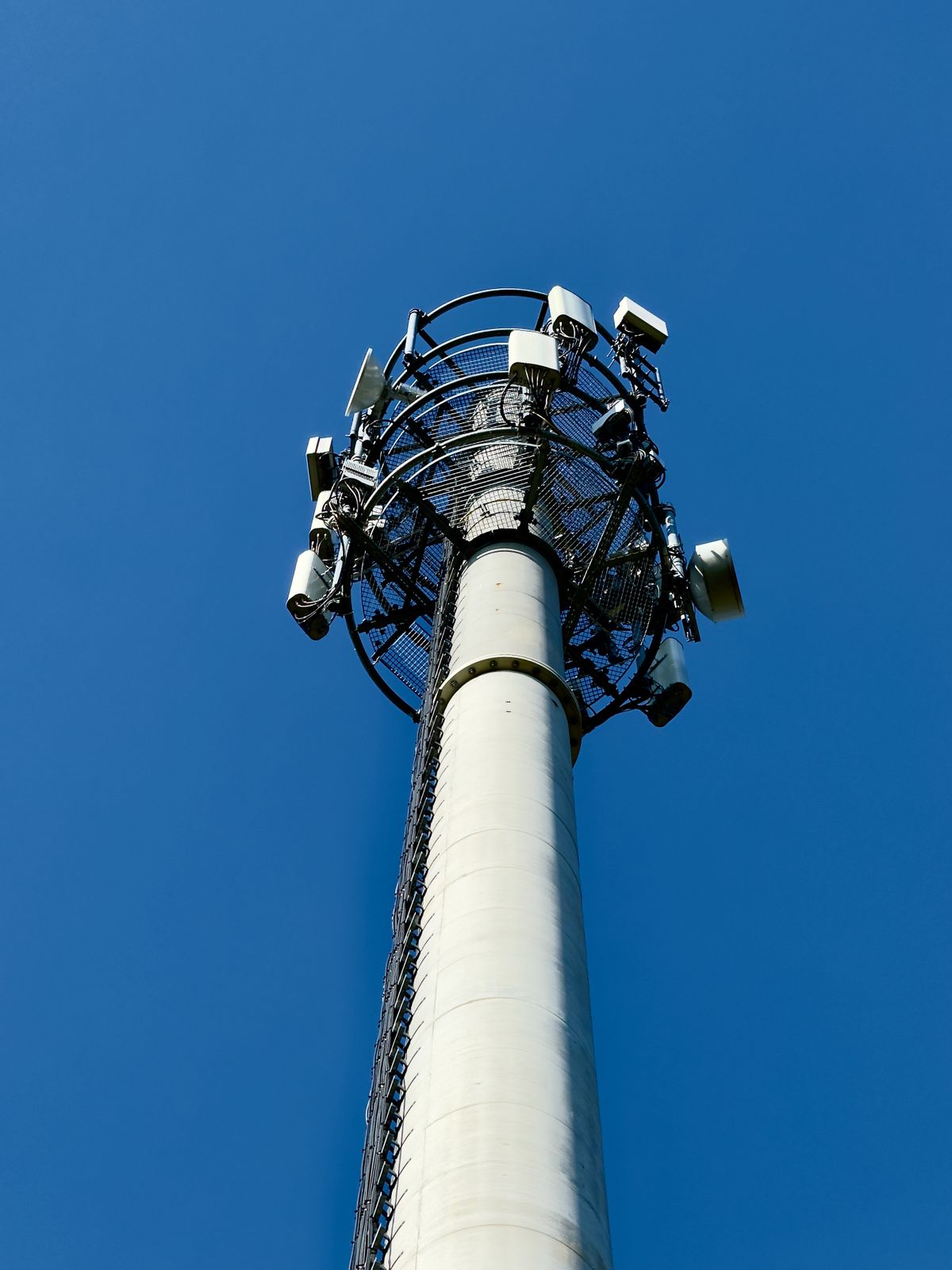
Monopoles are single tubular poles — minimal ground area, fast installation, and visually unobtrusive. Urban sites, rooftop-adjacent installations and aesthetic-sensitive locations (some designs are camouflaged as trees or flagpoles) favor monopoles despite a higher cost per meter.
- Best for: urban and suburban sites, small footprints, aesthetic constraints
- Typical heights: 15 m – 45 m
- Trade-off: lower antenna capacity than lattice; internal climbing optional
Side-by-Side Comparison
| Criterion | Self-Support Lattice | Guyed Mast | Monopole |
|---|---|---|---|
| Steel cost per meter | Medium | Lowest | Highest |
| Land requirement | Compact base | Large guy radius | Smallest |
| Antenna capacity | High | High | Moderate |
| Installation speed | Fast (bolted) | Medium | Fastest |
| Typical setting | Rural / suburban / shared | Rural / broadcast | Urban / rooftop |
Wind Load and Site Conditions
Antenna panels and dishes act like sails: design wind speed, ice accretion and the antenna growth plan all feed into tower sizing. A tower designed only for today's antennas can force a costly replacement at the first network upgrade — specifying future loading capacity during the initial order is almost always cheaper than retrofitting.
Sourcing Telecom Towers for a Rollout?
Send your height, wind class and antenna loading — we fabricate lattice towers and monopoles to your specification.
Request a Quote