Types of Transmission Towers and Their Applications
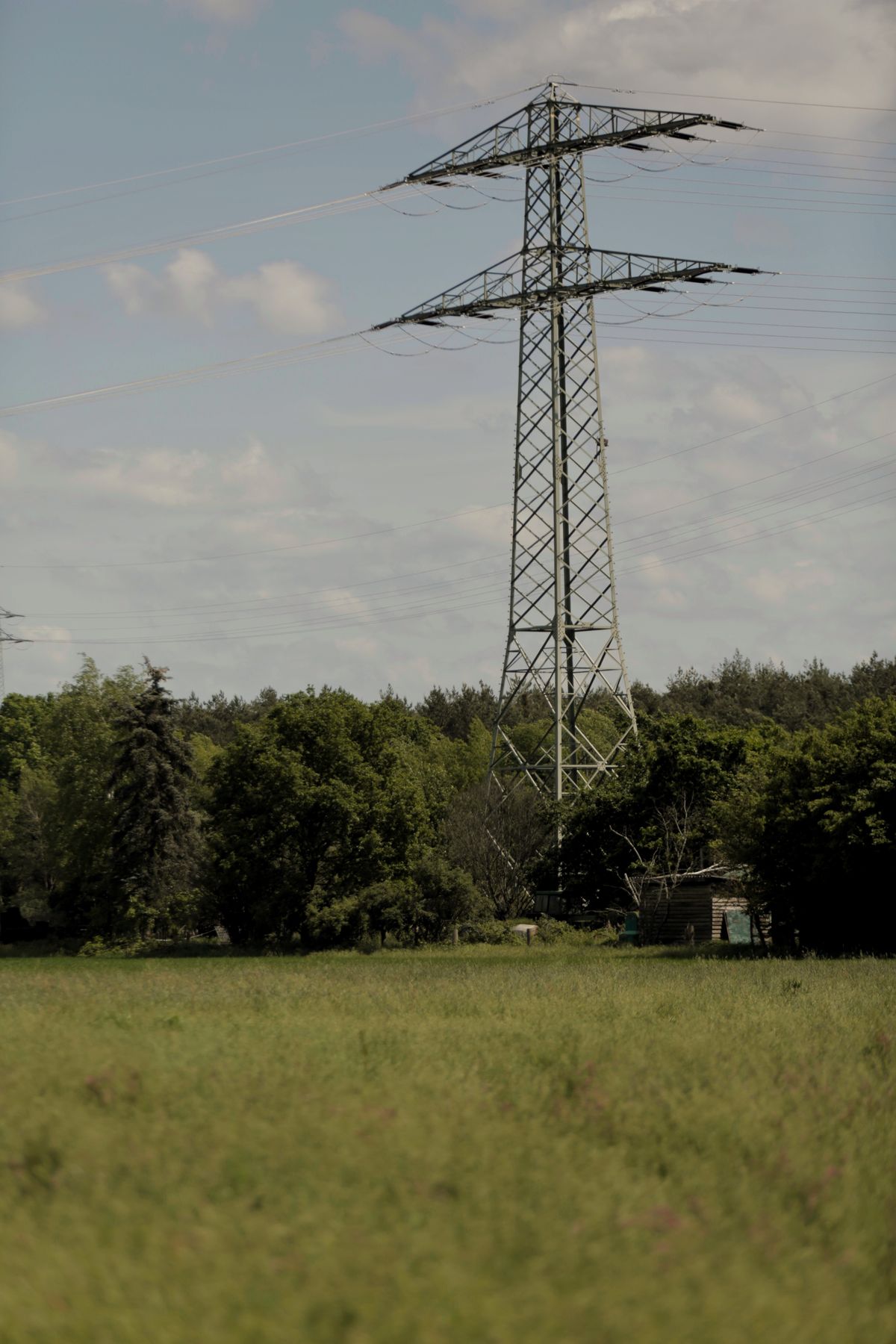
Overhead transmission lines rely on a family of tower types, each engineered for a specific position and mechanical duty along the line. For EPC contractors and utilities procuring towers internationally, understanding these categories makes quotations and factory drawings far easier to evaluate. This guide summarizes the main types and what buyers should confirm before ordering.
1. Suspension Towers (Tangent Towers)
Suspension towers carry conductors on string insulators hanging vertically, and are used on straight sections of the line where the route changes direction only slightly. They are the most common tower type on any line and usually represent the largest share of the tower quantity. Because their main duty is to support the conductor weight, they are lighter per unit than tension towers of the same voltage class.
2. Tension / Angle Towers
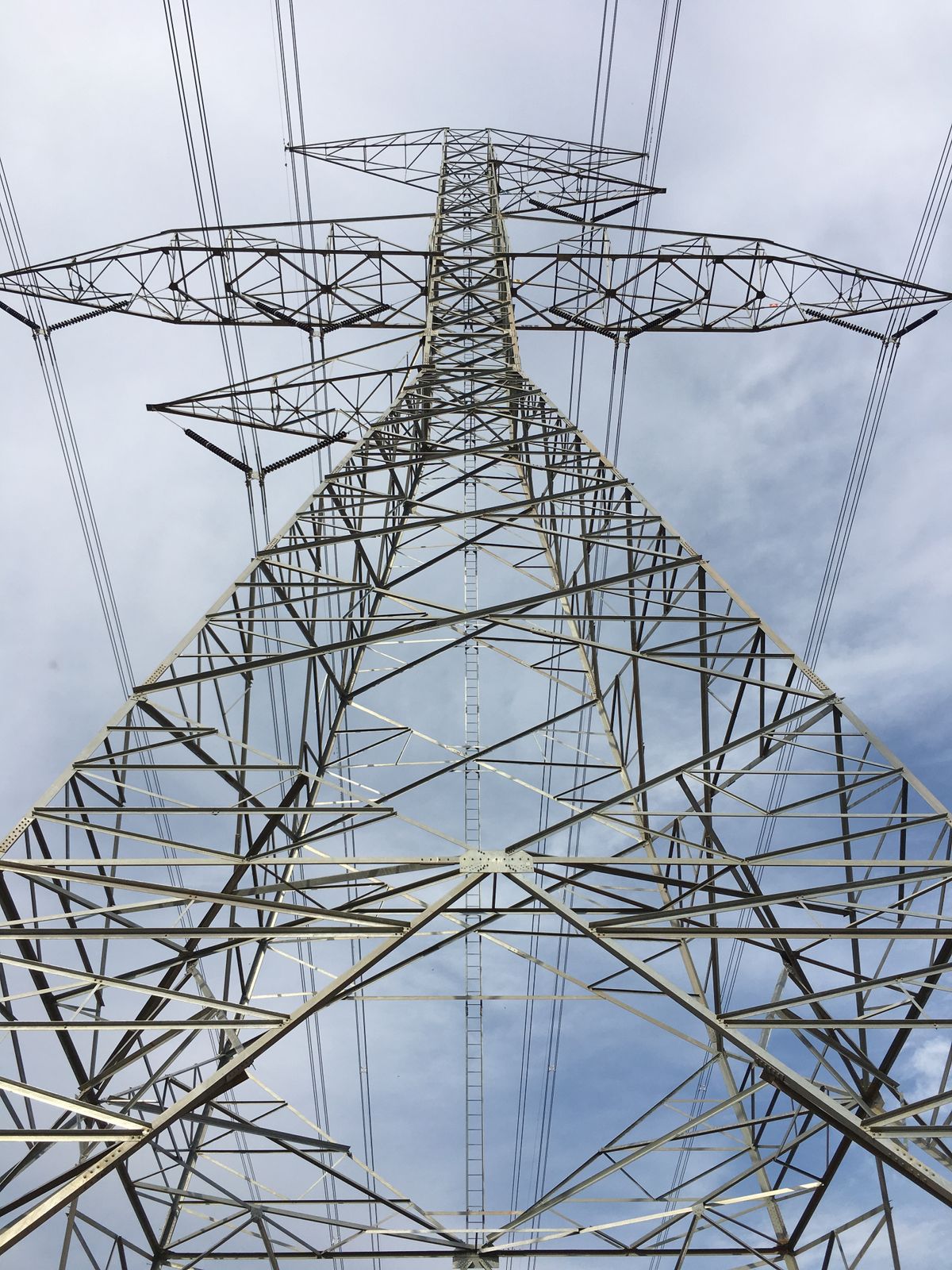
At points where the line turns, tension towers hold the conductors under full mechanical tension on both sides. The sharper the angle, the higher the resulting transverse load, so angle towers are classified by deviation angle (commonly 0°–30°, 30°–60°, and above 60°). Heavier steel sections and stronger foundations are required as the angle class increases.
3. Terminal and Substation Entrance Towers
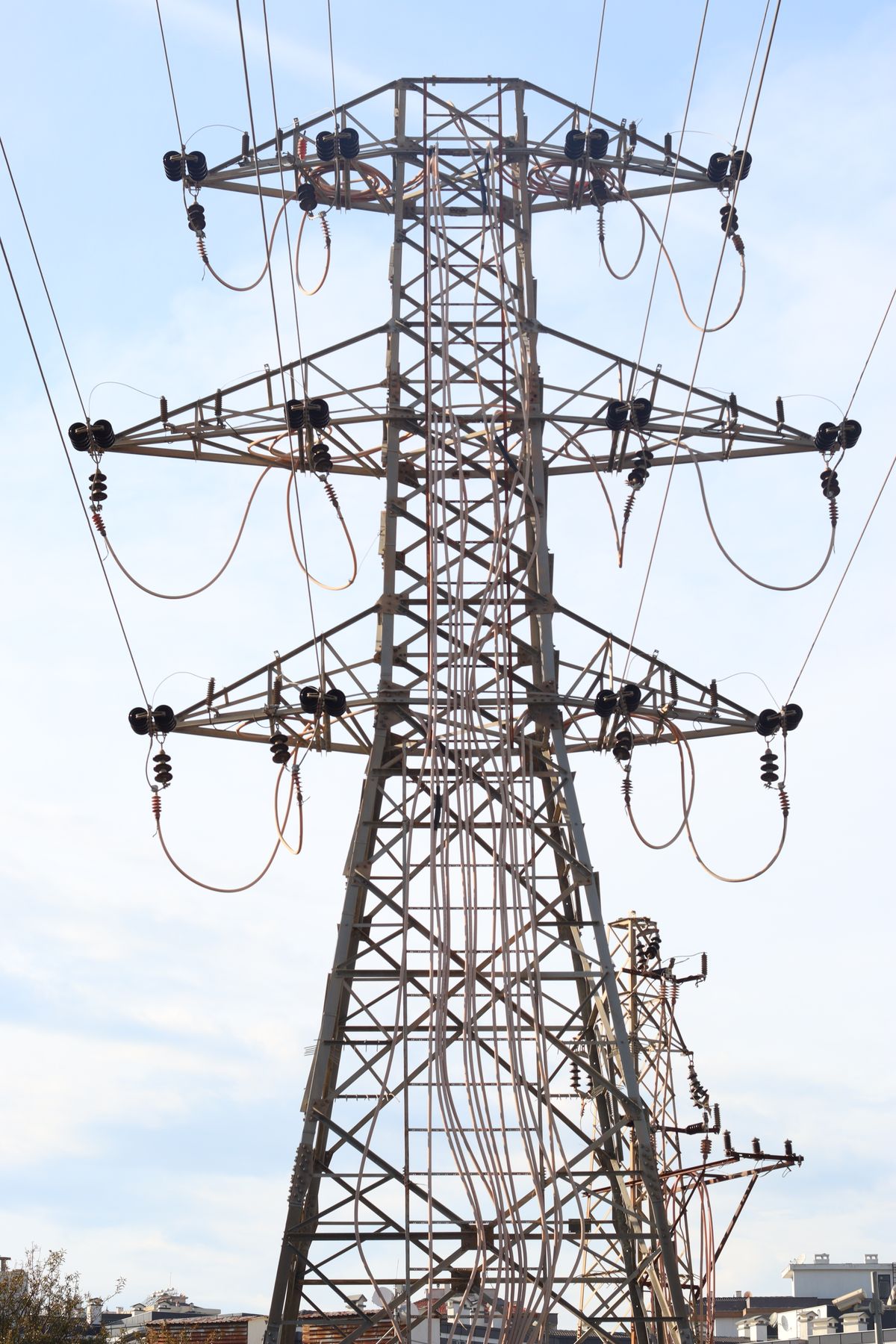
Terminal towers stand at the ends of a line, where conductors dead-end into a substation gantry or gantry structure. They must withstand unbalanced tension if conductors break on one side, and their gantry-side connections must match the substation layout — a detail that should be coordinated between the line designer and the substation designer early.
4. Special Towers: Crossings, Junctions and Long Spans
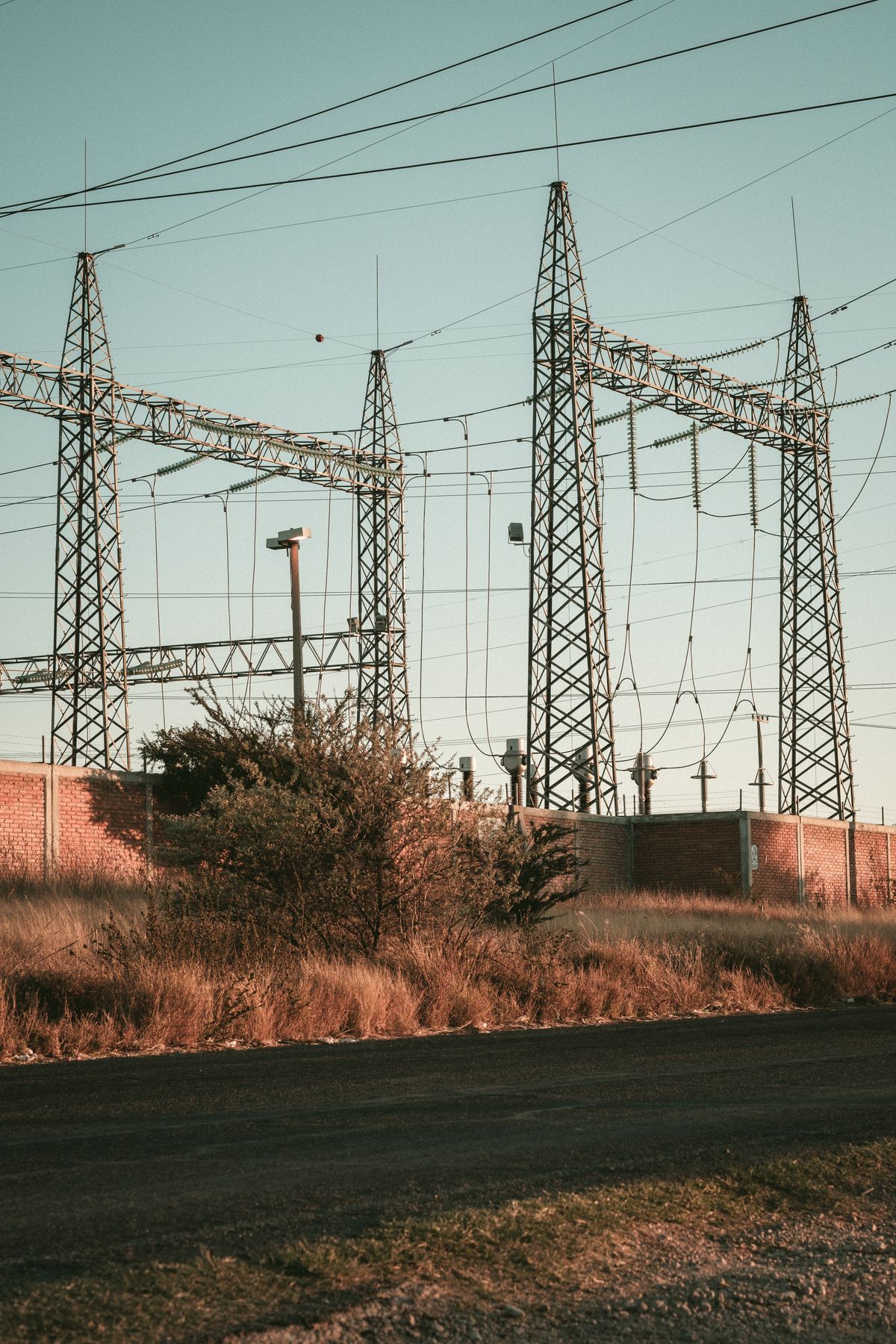
- River and highway crossings — taller towers with longer spans, often requiring special conductor arrangements.
- Junction towers — where two lines meet or tee off.
- Transposition towers — where phase conductors swap positions to balance line impedance.
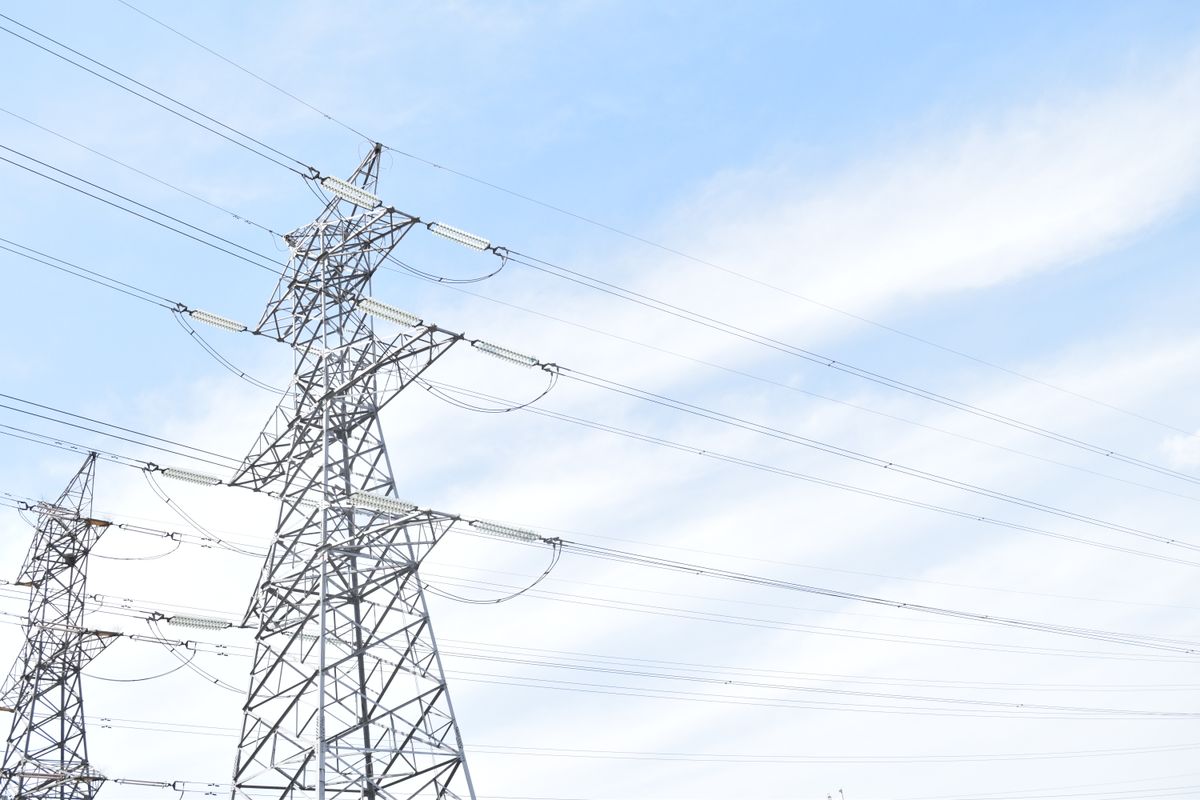
Common Tower Configurations
| Configuration | Typical Use | Notes |
|---|---|---|
| Lattice (angle steel) | Most voltage classes | Cost-efficient, easy transport in sections |
| Tubular / monopole | Urban or narrow corridors | Smaller footprint, higher unit cost |
| Guyed-V | Flat terrain, extra-high voltage | Low steel weight, needs anchor space |
What Buyers Should Confirm Before Ordering
- Design standard — the loading standard (e.g., national code, IEC-based, or customer specification) drives every steel member size.
- Voltage class and conductor type — these determine tower geometry, insulator string length and clearances.
- Wind and ice loading — site conditions can change steel weight significantly; quote against realistic conditions, not generic ones.
- Galvanizing requirement — hot-dip galvanizing thickness per standard (e.g., ASTM A123 / ISO 1461 class coatings) and any duplex painting for coastal sites.
- Marking and packing — part marking system, bolt bags per tower, and container-optimized bundling for export.
Need a Quotation for Transmission Towers?
Send your drawings or tower schedule — we fabricate to customer design and standards.
Request a Quote