Founded in 1994 in Hengshui, Hebei — a steel tower manufacturer trusted by China Mobile, China Tower and power utilities, with exports to Southeast Asia and Africa.
From high-voltage power grids to telecom networks and solar farms — engineered and fabricated in-house.

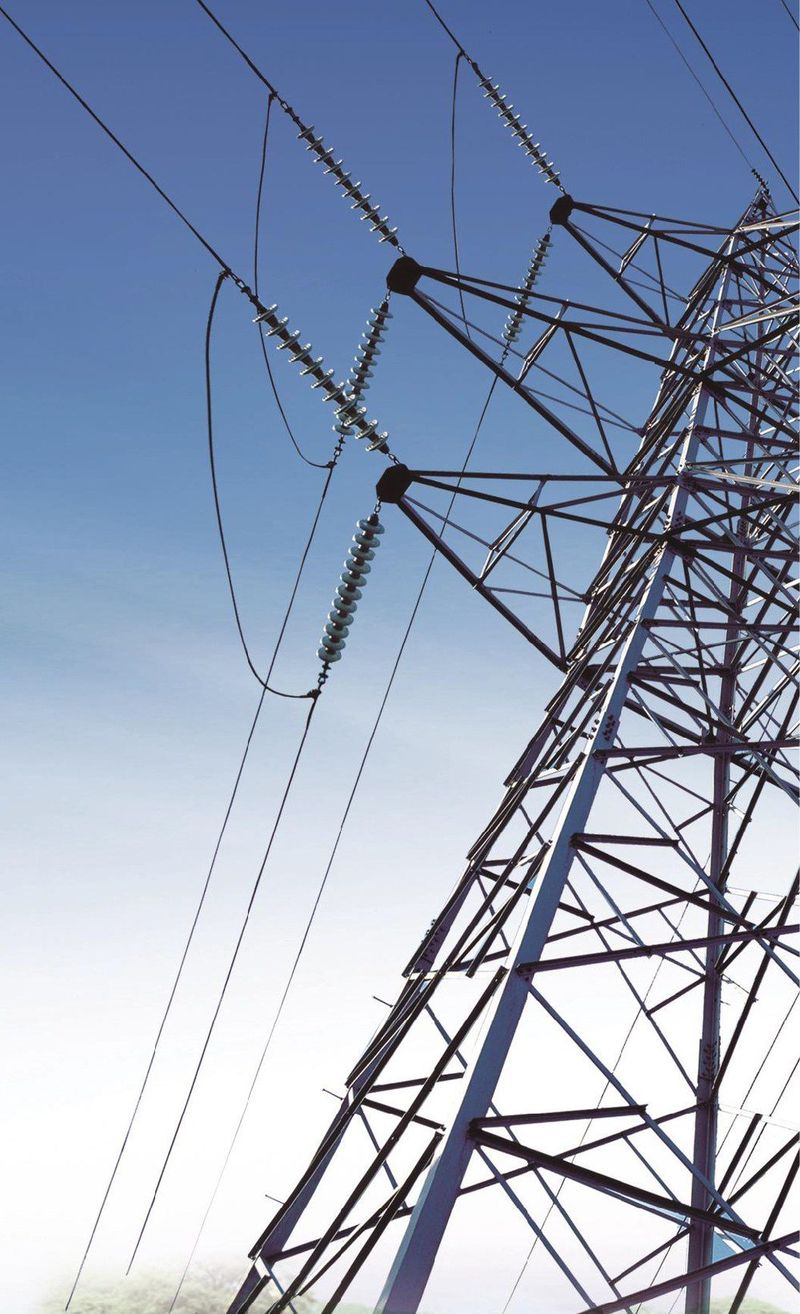
Angle steel & tubular towers for overhead power lines and substations.

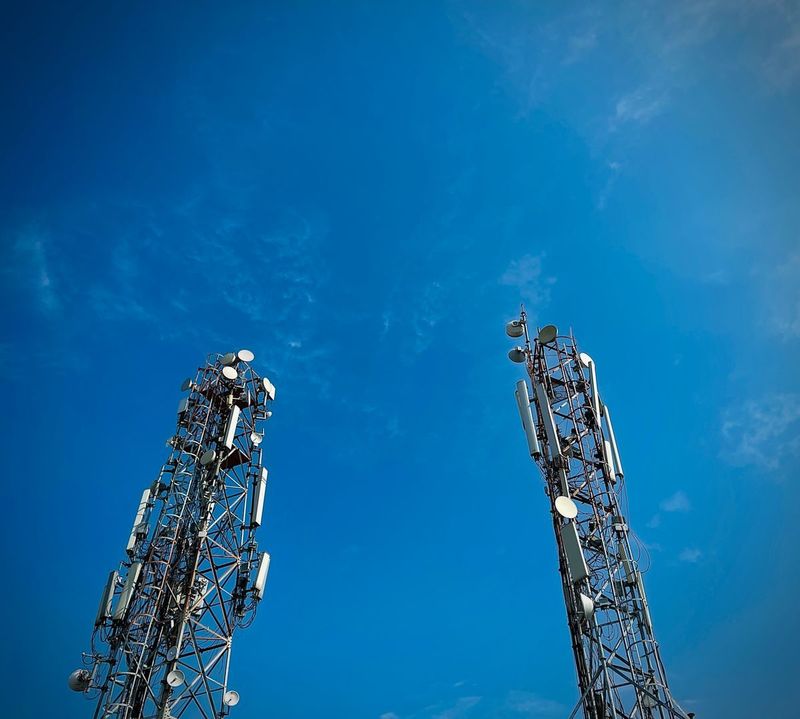
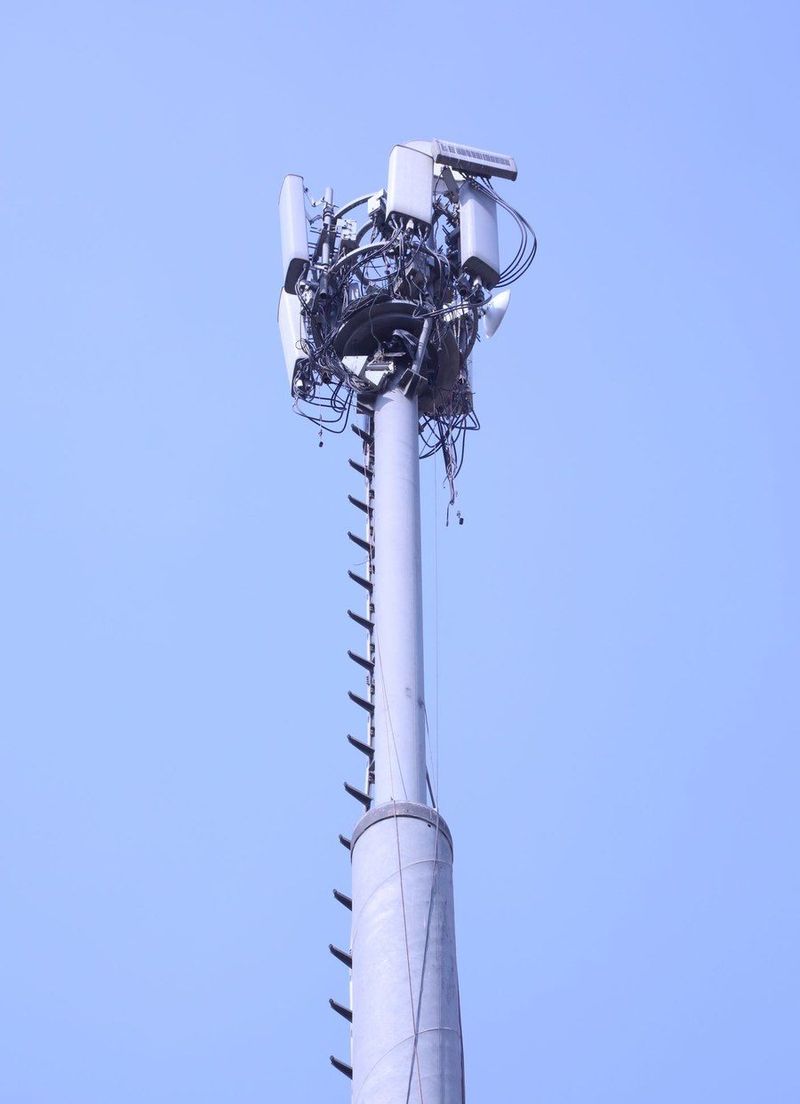
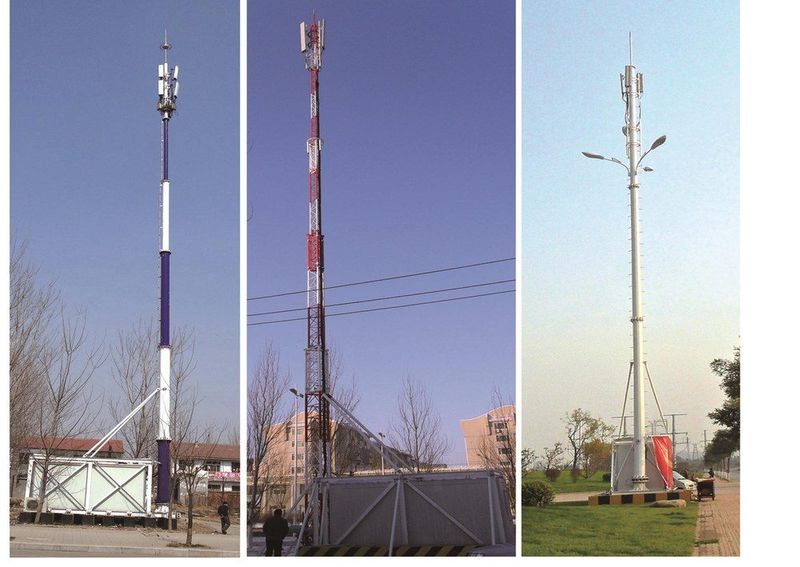
Self-support, guyed and monopole towers for mobile networks and broadcasting.

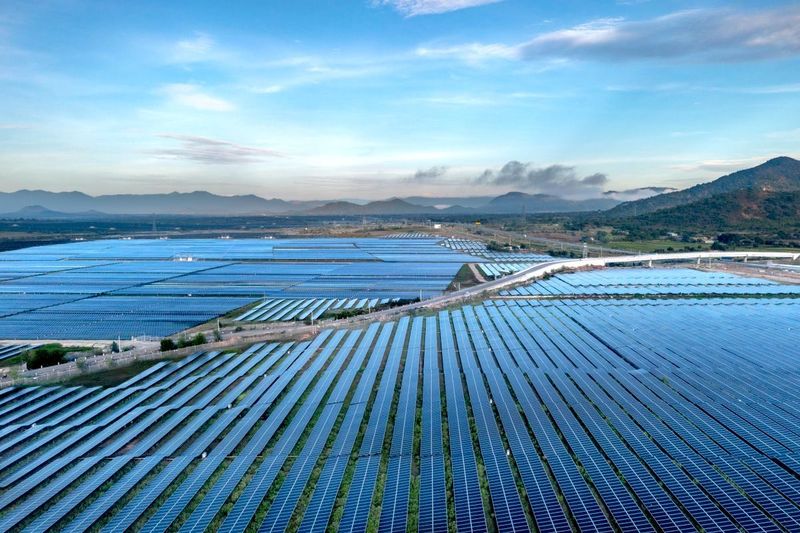
Ground, rooftop and tracking-ready PV mounting systems for utility-scale projects.
Beyond the three core lines, our workshops deliver a complete family of steel tower and communication products.

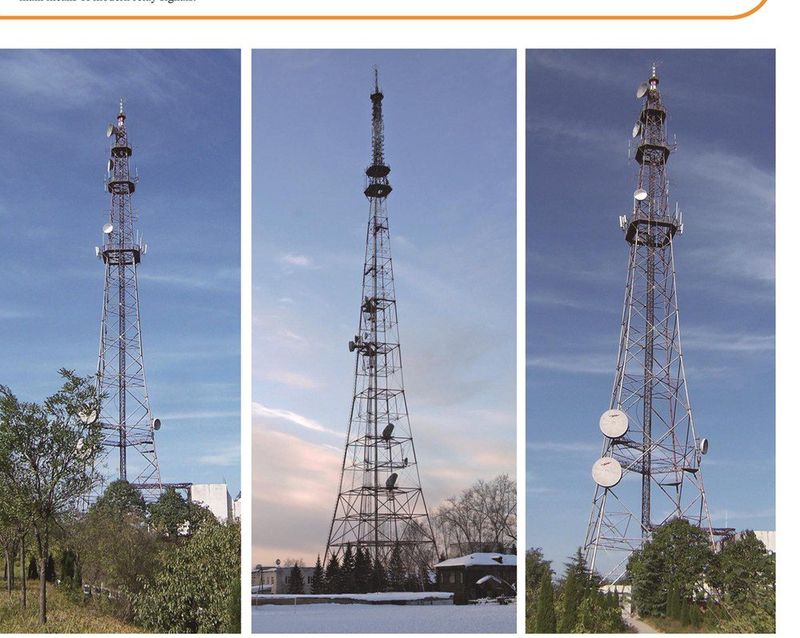
Lattice towers for mobile networks and wireless signal transmission.

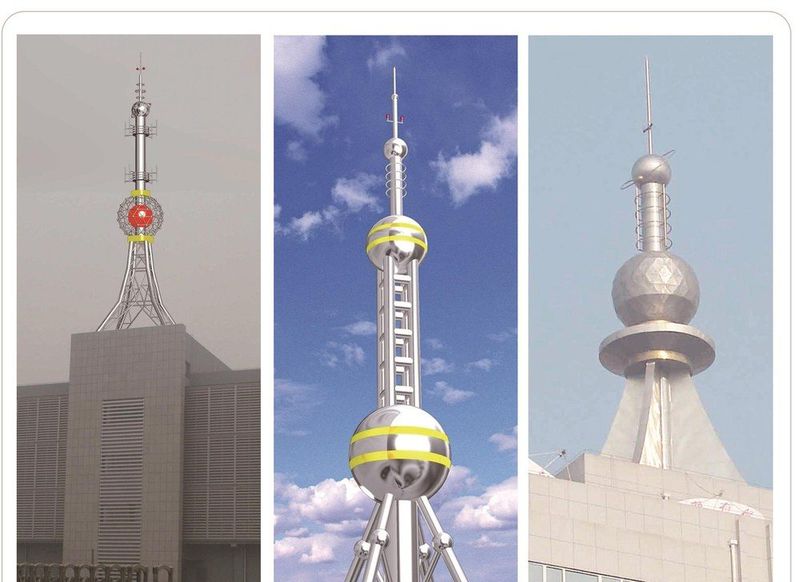
Landmark towers for radio and television transmission.

Relay towers for microwave backhaul across complex terrain.

Fast-build station solutions for suburban and roadside sites.

Decorative landmark towers with lightning protection for city hubs.

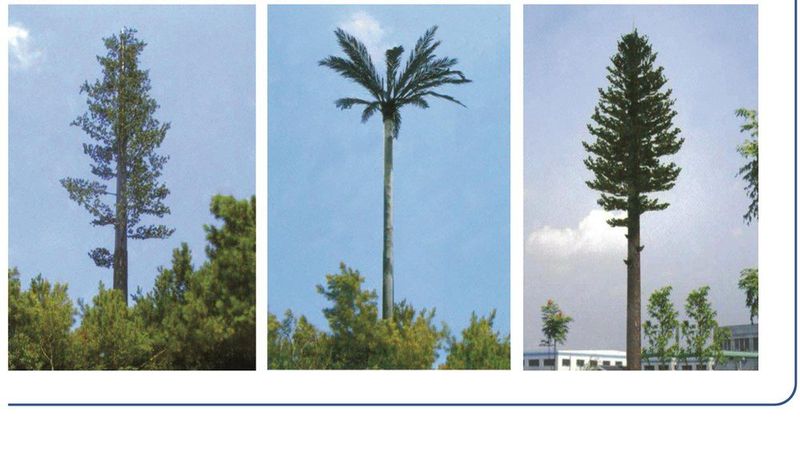
Camouflaged towers that blend into scenic and urban landscapes.

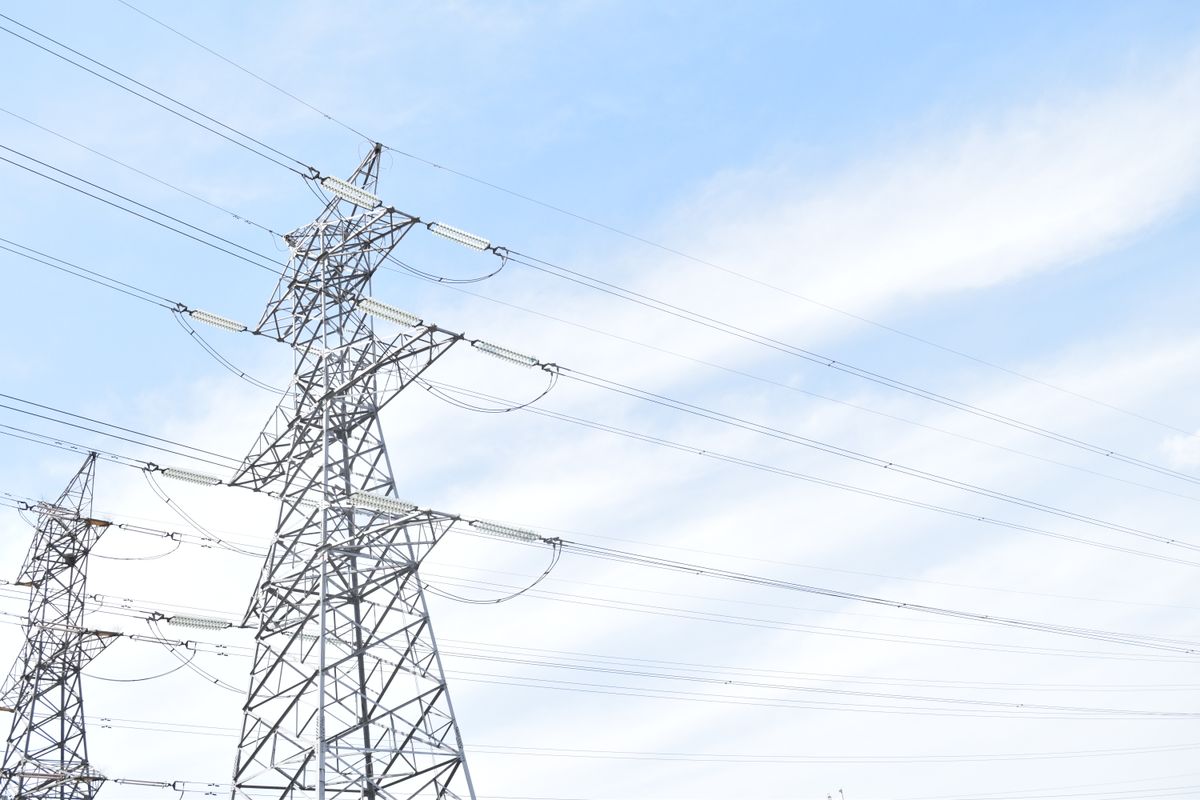
Lattice angle-steel towers for 10–500 kV overhead power transmission lines.

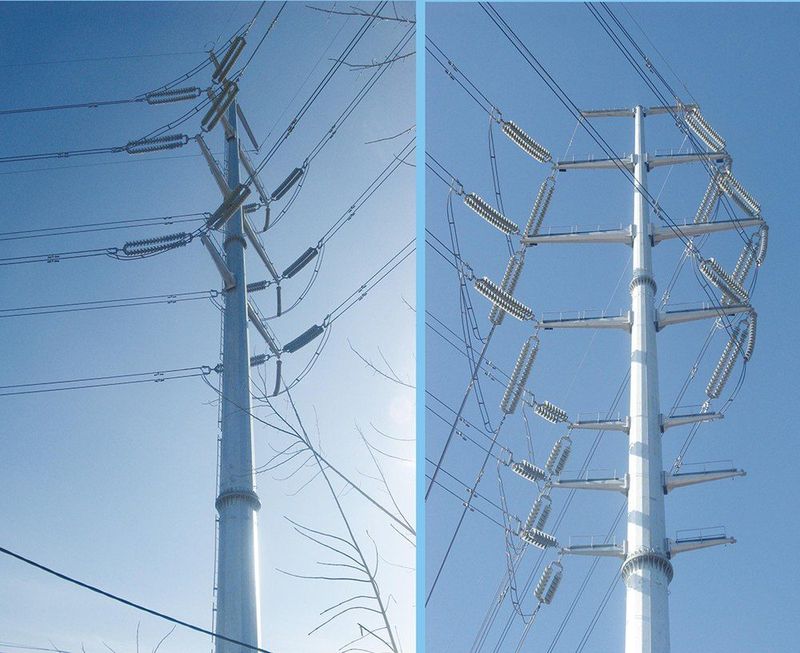
10–220 kV tubular poles, flange or socket connection, single to four circuits.

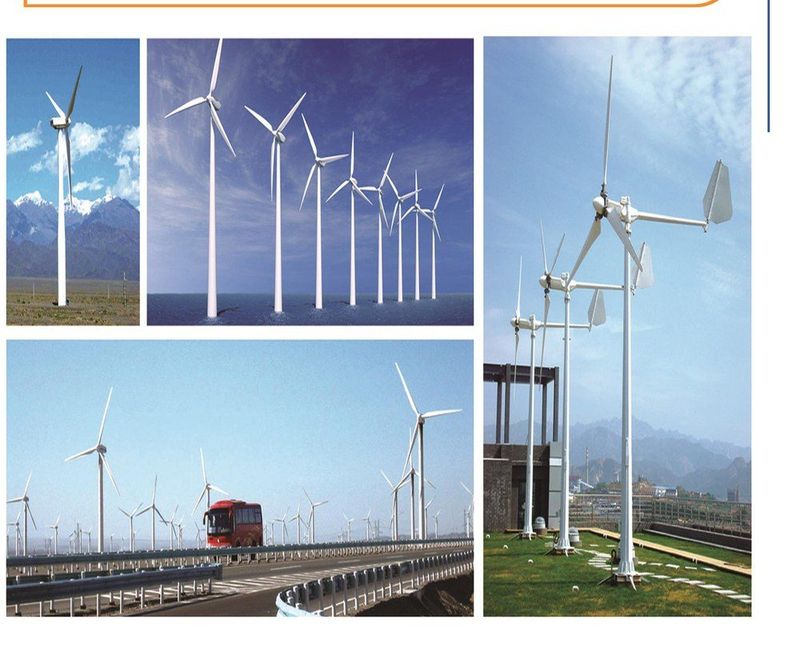
Towers for wind measurement instruments and small wind power.
We keep it simple: competitive factory pricing, dependable lead times, and direct communication with the manufacturer.
Buy from the source — no trading-company margin. Cost advantage on volume steel fabrication.
Production scheduling built around project deadlines. EPC-friendly delivery coordination.
Towers and mounting systems fabricated to your drawings, standards and site conditions.
Corrosion protection for harsh climates — coastal, desert and high-humidity environments.
Container-optimized bundling and loading to reduce freight cost and transit damage.
Talk to the factory, not a middleman. Fast answers on drawings, prices and schedules.
A clear, factory-direct workflow — you talk to the people who make the steel.
Send your tower schedule, drawings or specifications. Our engineers review scope and loading conditions.
Member sizing and fabrication drawings confirmed against your standard and site conditions.
Factory-direct pricing based on the confirmed design — no trading-company margin.
Fabrication and hot-dip galvanizing with in-process quality checks on dimensions and coating.
Every part marked per drawing, bundled and container-optimized for easy site assembly.
Export documentation and after-shipment support through to project completion.
What international buyers usually need to confirm before placing a tower order — and what our workshops are set up to deliver.
Structures are fabricated from structural carbon steel to the grade called for in the design — commonly Q235B or Q355B, which correspond closely to ASTM A36 / A572 Gr.50 and S235JR / S355JR.
All carbon steel parts receive hot-dip galvanizing for corrosion protection in coastal, desert and high-humidity climates. Coating thickness and inspection are agreed against the project specification.
Lattice members are connected with galvanized bolts in the grade required by the design (commonly 4.8, 6.8 or 8.8); welded assemblies are produced with qualified welding procedures and inspected before galvanizing.
Holes are punched or drilled to drawing dimensions so parts assemble on site without reaming. Every member is marked with its own code for matching to the erection drawing.
Towers are produced to the project's own design basis — conductor and span data, wind and ice loads, seismic and soil conditions. Send drawings, a tower schedule or a line design summary and we fabricate to that, rather than forcing a catalogue design onto your site.
Hot-dip galvanizing is applied to all carbon steel parts, with coating class matched to the site's corrosivity category. Buyers most often reference ASTM A123 or ISO 1461; heavier coatings or duplex systems (galvanizing plus paint) are specified for coastal, industrial and high-humidity sites.
Mill test certificates for the steel are retained and matched to the production batch, and galvanizing coating thickness records are available with the shipment — the paperwork most third-party inspectors ask for first.
Incoming steel, fabrication, welding and galvanizing are checked before packing, and each member carries a code that ties it back to its tower and drawing. That traceability is what makes repeat and spare orders straightforward years later.
| Item | Typical specification | Confirmed at |
|---|---|---|
| Design basis | Customer drawings / line design (wind, ice and seismic loads per project) | Drawing review |
| Structural steel | Q235B, Q355B or equivalent (ASTM A36 / A572, S235JR / S355JR) | Before production |
| Voltage class | Lattice towers 10–500 kV; steel poles 10–220 kV | With the tower schedule |
| Tower types | Suspension, tension / dead-end, angle, terminal, transposition | With the tower schedule |
| Structure types | Lattice towers, tubular poles, telecom masts and monopoles, rooftop poles, camouflage towers, solar mounting structures | Before production |
| Surface protection | Hot-dip galvanizing; coating class agreed per project (ASTM A123 / ISO 1461 referenced) | Before production |
| Fasteners | Galvanized bolts, grade 4.8 / 6.8 / 8.8 as designed | With the tower schedule |
| Foundation interface | Anchor bolt templates and foundation load data for your civil design | With the tower schedule |
| Documentation | Mill test certificates, galvanizing records, erection drawings, coded packing list | With shipment |
| Packing | Coded, bundled and container-optimised per tower | Before shipment |
Final specification is confirmed against your drawing, standard and site conditions before production begins. Detailed ranges: transmission towers · telecom towers · solar mounting structures.
Ordering steel towers from China is mostly a logistics exercise — here is how we handle our side of it.
Quotations and shipments can be arranged on FOB, CFR or CIF terms from major Chinese ports, matched to your freight forwarder or ours.
Packing list, steel mill test certificates, galvanizing and quality inspection records are supplied with every shipment; full shipping document set coordinated with your nominated freight forwarder.
Each tower is packed as a set with its bolts, so site crews open one bundle and have everything for that tower position.
Erection drawings, member coding and assembly guidance are supplied with the shipment; technical questions are answered directly by our engineers.
Products are exported with the HS classification and marks required by the destination market; we coordinate with your customs broker.
Drawings and fabrication records are archived, so repeat towers, extensions and spare members can be produced to the same specification later.
Steel towers and lattice masts are typically classified under HS 7308.20, with other fabricated steel structures under 7308.90. We provide the classification and marks shown on our documents and confirm the final code with your customs broker before shipment.
Instead of a generic lead time, we quote achievable dates for the tonnage, tower variety and coating class in your order — so the delivery schedule you plan against is the one we can actually hold.
Towers have been supplied across more than 30 provinces in China and exported to Southeast Asia and Africa, where sea freight, port handling and import documentation decide whether a project stays on programme.
| Export item | What we normally arrange |
|---|---|
| Trade terms | FOB, CFR or CIF from major Chinese ports, matched to your forwarder's routing |
| Packing unit | One coded set per tower with its bolts, so the crew opens one bundle per tower position |
| Container loading | Bundling sized to container dimensions; mixed-height members planned to limit unused space |
| Documents | Packing list, mill test certificates, galvanizing and quality records; full shipping document set coordinated with your forwarder |
| Project documents | Drawing sets, member coding lists and certification copies prepared on request |
| Site support | Erection drawings and assembly guidance supplied with the shipment; engineering queries answered directly |
Practical guides on tower types, specification and sourcing — written from the factory floor, not the marketing desk.

Suspension, tension, terminal and special towers — and what buyers should confirm before ordering.
Read article →
Fixed vs adjustable tilt, steel vs aluminum, foundations and galvanizing for utility-scale PV.
Read article →
Self-support lattice, guyed masts and monopoles — cost, land use and antenna capacity.
Read article →China Summit Iron Tower Manufacturing Co., Ltd. (Hebei Zhufeng Iron Tower) is a professional tower design, manufacturing and installation company located in Hengshui, Hebei Province, China.
Our facility covers 67,000 m² with three large production workshops. Our towers serve China Mobile, China Unicom, China Telecom, China Tower, power utilities, broadcasting, civil aviation, military and public security projects — sold across 30+ Chinese provinces and exported to Southeast Asia and Africa.
| Founded | 1994 (renamed Hebei Zhufeng Iron Tower Co., Ltd. in 2005) |
| Location | Hengshui City, Hebei Province, China |
| Registered Capital | RMB 101 million |
| Total Assets | RMB 186 million |
| Factory Area | 67,000 m² · 3 production workshops (28,000 m²) |
| Annual Capacity | 50,000+ tonnes of steel structures |
| Employees | 265 (108 engineering & technical) |
| Certifications | ISO 9001 · ISO 14001 · Occupational Health & Safety · Steel Structure Qualification |
| Main Markets | China (30+ provinces) · Southeast Asia · Africa |
Our towers support networks and infrastructure for China's major operators and government sectors — and customers across Southeast Asia and Africa.


Quick answers for international buyers. Anything else — just email us.
The more complete your input, the more accurate the price. Ideally: tower schedule or drawings, voltage class, conductor type, design standard, wind/ice loading, and galvanizing requirements. If you don't have all of these yet, send what you have and we will tell you what else is needed.
Yes. We fabricate to customer drawings and standards — towers and mounting structures are produced to the design you or your consultant approve, not to a one-size-fits-all catalogue.
Both depend on product type and project scope. We are flexible for trial orders and project orders alike — send us your scope and we will confirm the schedule for your specific case.
Every steel part is coded and marked according to the fabrication drawing, so site crews can match each piece to its position. Parts are bundled in container-optimized packages to reduce freight cost and transit damage; bolts and small parts are bagged separately per tower.
Yes. Our management systems are certified to ISO 9001 (quality) and ISO 14001 (environment), with occupational health & safety certification and steel structure qualification. We also hold production licenses for power and telecom towers. Certificates and test reports can be provided for your project submission on request.
Common international terms such as T/T and L/C are accepted; specific terms are negotiable per order. Shipping can be arranged on FOB, CFR or CIF basis from major Chinese ports.
All the standard line tower families: suspension (tangent) towers, tension and angle towers, terminal towers at substations, and special towers such as transposition and river-crossing structures — in lattice angle steel or tubular steel, for 10 kV up to 500 kV class lines. See our guide to transmission tower types for how to tell them apart.
Transmission towers carry high-voltage conductors for the power grid and are designed primarily around conductor loads, spans and line angles. Telecom towers carry antennas and microwave dishes for mobile networks and broadcasting, and are designed around antenna loading, wind load and access for maintenance. Both are lattice steel structures, but the design inputs and connection details are different — see our comparison of telecom tower types.
We fabricate the steel structure: posts or piles, purlins, rails, clamps and the associated foundations interface, in hot-dip galvanized steel or aluminum, for ground-mount and rooftop projects. You can specify fixed-tilt or adjustable configurations — our solar mounting structure guide covers how to choose between them.
It depends on tonnage, tower type and coating requirements. After drawings and specifications are confirmed, we schedule production and give you a delivery window in the quotation, so the shipment date can be planned around your site programme.
Yes. Many overseas buyers start from a line route, voltage class and conductor details. Send that and our engineers will tell you what design inputs are still needed — tower type selection and member design can be progressed from there.
Still have a question? Send us an inquiry — we reply within one business day.
Share your drawings, specifications or project details and our sales team will come back with a quotation.